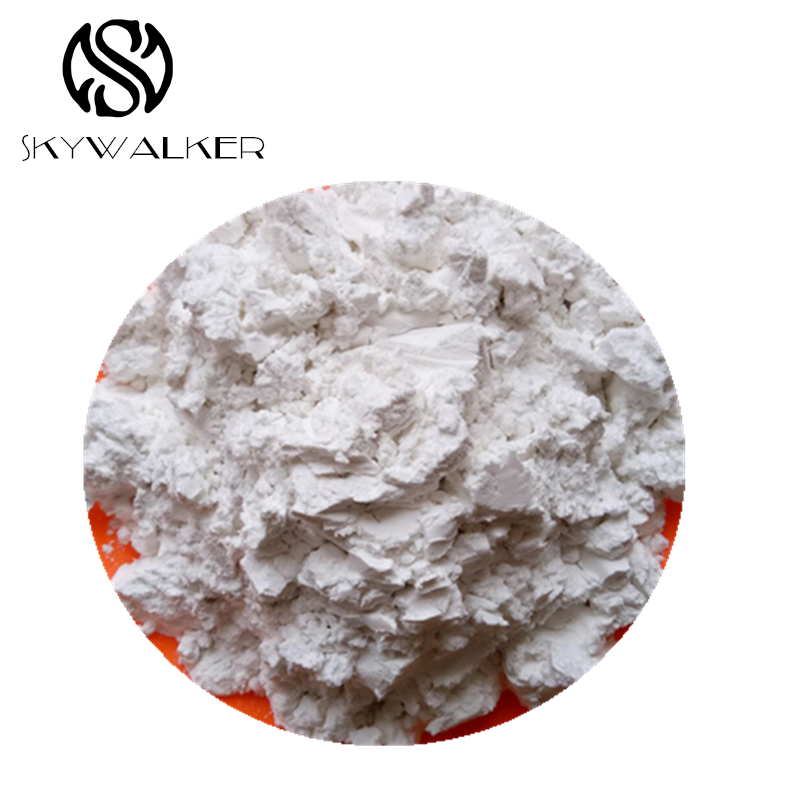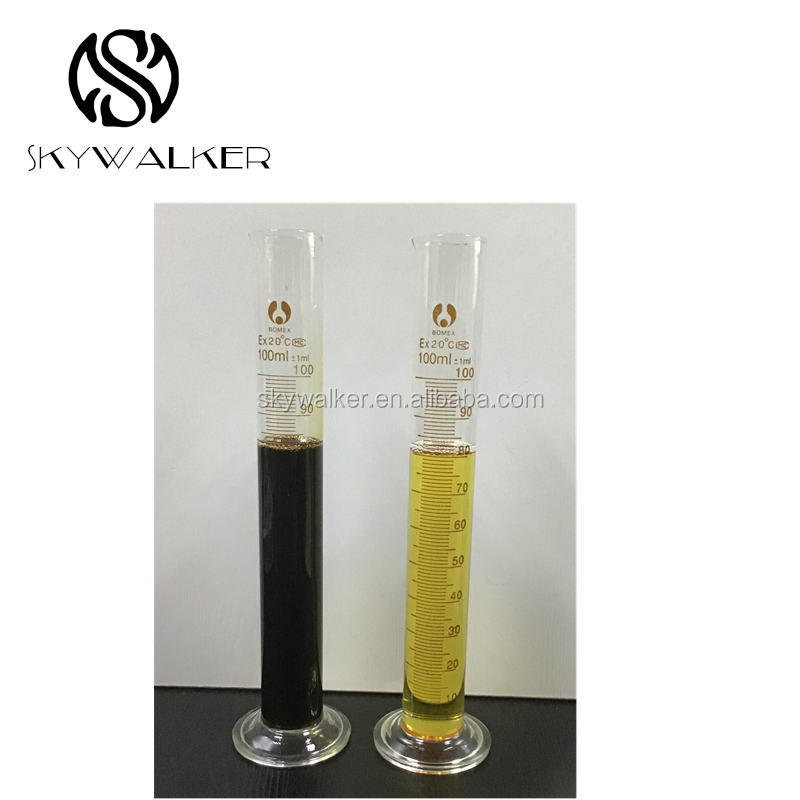
Inauguratingdiatomaceous earth filtration acts as superior substance commonly harnessed in various applications, particularly during drink preparation. Originating from the fossilized remains of ancient diatoms, it contains a unique open matrix that affords superior filtration. The filter aid works by creating a light porous film on a screening device, holding minuscule sediments diatomaceous earth while providing fluid permeability. Choosing the right grade of diatomaceous earth filtration is essential for maximum efficiency.
Utilizing Diatomaceous Earth for Clarification
Sedimentary residue, composed of the fossilized remains of microscopic algae called diatoms, presents a exclusive approach for cleansing various compounds. Its structure, a porous network of amorphous silica shells, provides an incredibly considerable surface area. This grants for highly powerful removal of contaminants from solutions. Applications range from hydrated refinement and spirits creation to pool processing and even plantation techniques. Advantages include its non-synthetic origin, cost efficiency compared to multiple synthetic alternatives, and its competence to efficiently trap a all-encompassing variety of toxins.
- Supplies superior solid removal.
- Operates as a renewable choice.
- Appropriate for wide-ranging domains.
Processed Bleaching Layer: Features and Applications
Upgraded bleaching material is a style of organic bentonite that has undergone targeted activation to augment its absorption potencies. This operation typically involves chemical reformation, resulting in a expanded architecture with a extensive terrain. Consequently, it exhibits remarkable skill to adsorb stains from a broad set of solutions, finding crucial applications in the lightening of oils, lipids, and other biomass-derived compounds. Alongside, its safe trait and affordability contribute to its surging traction in various fields.
Evaluating Diatomite and Alternative Filtration Media
Finding the correct filter medium for a specific process can be complicated. While perlite and other options exist, diatomite commonly presents a potent case for its superiority. Versus these opponents, diatomite habitually offers augmented clarity and a greater speed of removing impurities. However, that optimal choice ultimately is based on criteria such as value, function requirements, and preferred yield standard.
Diatomite Filtration: A Scientific Perspective
Diatomite or diatomite powder filtration purification leverages the unique or distinct structure of characteristic microscopic negligible algae specimens. These these diatoms, upon or after death, form fabricate a sedimentary geological rock deposit composed manufactured of intricately carefully porous openwork silica silicon shells. This designated porous lattice-like network or filter provides an incredibly unusually large area for capturing particulate tiny matter elements from inside liquids liquid matrices, achieving allowing highly potent detailed filtration sifting.
Enhancing Whitening Performance Using Treated Clay
Elevating aforementioned decolorizing method through modified earth presents a advantageous tool for advancing performance. The sustainable material, extracted from loam, possesses outstanding retaining features that equip it to powerfully purify tinted elements from garments, thereby cutting employment of harsh inorganic ingredients and increasing a sustainable result.
Knowing Diatomite Filtration Powder Categories
Picking the correct diatomite level is fundamental for high-performing refining processes. Microporous powder grades are determined by their particle range, frequently expressed in fine scales. Thinner grades, like FF or Filter-X, offer excellent lucidity and are appropriate for fine liquids, while larger grades, such as Perlite or Celite 500, afford a increased processing speed for less employments. Understanding these disparities will assist you to advance your clarification returns and lower expenses correlated with the approach.
Green Sourcing of Micro-shell Earth
The expanding demand for microfossil powder earth necessitates a attention on renewable sourcing methods. Traditional procurement often involves significant land disturbance and can alter local ecosystems. Presently, forward-thinking entities are exploring alternatives, such as rehabilitation of exploited sites, ensuring mitigated disruption and protecting ecological habitats. Furthermore, clarity in the transit is becoming crucial, allowing purchasers to decide informed opinions and support environmentally conscious initiatives. Accordingly, responsible governance of porous earth earth inventories is vital for lasting availability and managed environmental consequences.
- Reduced land footprint.
- Restoration of extraction sites.
- Improved transparency in the supply.
Improved Bleaching Stratum: A Empirical Understanding
Assessing a experimental viewpoint, treated whitening deposit represents a singular class of silicaceous minerals. In the beginning, kaolinite earth is functionally modified via alteration – typically involving oxidative application – to dramatically enhance its retentive traits. This conditioning creates a extensive layer with a significant number of proton-donating sites, facilitating the capture of dark particles from fluids. The interaction mostly involves electrostatic attractions and Van der Waals phenomena, resulting in a purer product.