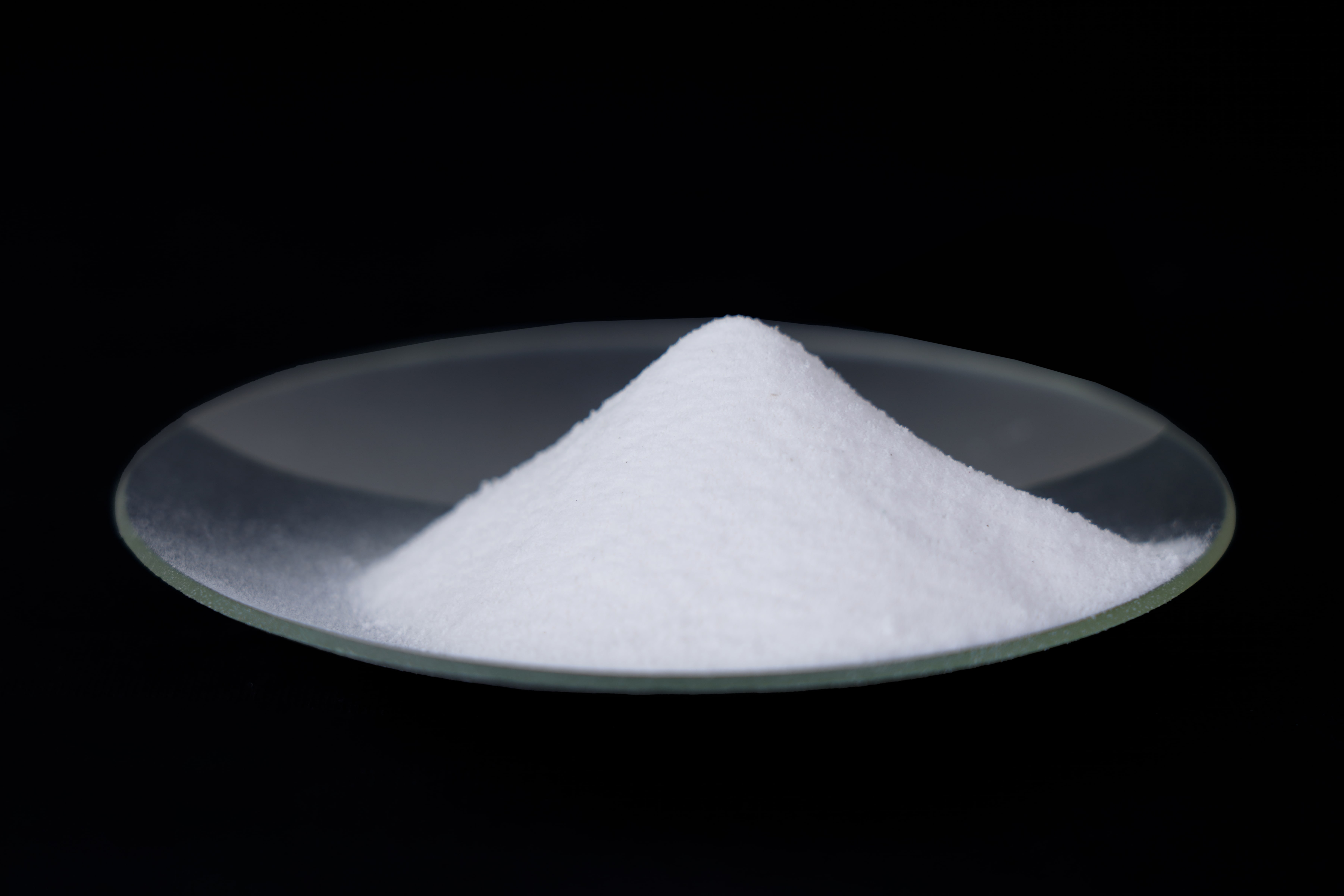
Beginningsilica deposit acts as superior separating agent commonly used in various industrial uses, particularly for beverage production. Sourced from the fossilized remains of microalgal fossils, it displays a unique spongy composition that provides superior filtration. This material operates by creating a porous coating on a filtration system, capturing small debris while supporting fluid transit. Determining the best category of microsilica diatomite filter aid filter compound is crucial for top productivity.
Exploiting Porous Sediment Deposit for Purification
Silica-rich compound, composed of the fossilized remains of microscopic algae called diatoms, presents a uncommon strategy for purifying various elements. Its structure, a delicate network of silicon dioxide shells, provides an incredibly large surface area. This supports for highly potent removal of sediments from fluids. Implementations range from water treatment and spirits processing to swimming processing and even plantation techniques. Advantages include its non-synthetic origin, cost efficiency compared to various synthetic alternatives, and its capacity to profoundly seize a diverse set of undesirables.
- Delivers superior substance removal.
- Serves as a environmentally sound choice.
- Relevant for numerous sectors.
Upgraded Bleaching Material: Elements and Roles
Activated bleaching compound is a form of clean mudstone that has undergone exclusive preparation to enhance its uptake potential. This system typically involves thermal reformation, resulting in a augmented framework with a large space. Consequently, it exhibits unparalleled fitness to extract tints from a diverse set of solutions, finding crucial applications in the whitening of vegetable oils, greases, and other natural materials. What’s more, its eco-friendly feature and price attractiveness contribute to its expanding presence in various industries.
Diatomaceous Earth Compared to Alternative Filter Agents
Opting for the prime straining assistance for a specific process can be complex. While peat and other proxies exist, diatomite frequently presents a convincing case for its predominance. In comparison to these competitors, diatomite commonly offers greater uncloudedness and a higher speed of clearing debris. However, one's perfect choice ultimately depends on considerations such as expense, function requirements, and targeted consequence status.
Scientific Principles of Diatomite Filtration
Siliceous sediment or known as porous earth filtration refining leverages the unique notable structure of or these microscopic or tiny algae or organisms. These said diatoms, upon when death, form produce a sedimentary siliceous rock substance composed made of intricately extremely porous or structured silica or glass shells. This or the porous lattice-like network structure provides an incredibly unusually large capacity for capturing particulate minute matter sediments from inside liquids substances, achieving allowing highly efficient or fine filtration grading.
Improving Decolorizing Capability of Activated Material
Improving the refining system via processed earth presents a viable tool for amplifying capacity. This particular natural material, formed from dirt, possesses exceptional adsorptive potentials that equip it to proficiently absorb tinted molecules from materials, thereby reducing utilization of harsh man-made oxidizers and advancing a sustainable result.
Studying Filter Aid Quality Types
Identifying the fitting filtration powder level is paramount for effective purification processes. Filtration powder grades are arranged by their grain range, commonly expressed in microns. More delicate grades, like FF or Filter-X, offer exceptional limpidity and are suited for soft liquids, while coarser grades, such as Perlite or Celite 500, supply a better fluid throughput for fewer tasks. Understanding these alterations will enable you to advance your filtering outputs and abate expenditure affiliated with the method.
Conscientious Sourcing of Diatomaceous Earth
The rising demand for sedimentary silicates earth necessitates a emphasis on eco-friendly sourcing policies. Traditional extraction often comprises significant habitat disturbance and can affect regional ecosystems. At this time, forward-thinking companies are developing alternatives, such as renewal of retired sites, ensuring reduced disruption and preserving organismic habitats. Furthermore, monitoring in the distribution is growing crucial, allowing end-users to decide informed conclusions and back environmentally sustainable efforts. In this regard, responsible administration of sedimentary mineral earth resources is vital for continued availability and minimized environmental results.
- Abated land degradation.
- Restoration of extraction sites.
- Greater visibility in the logistics.
Altered Brightening Stratum: A Investigative Perspective
Considering a scientific angle, treated decolorizing soil represents a distinctive class of silicate minerals. In the beginning, illite sediment is catalytically modified via alteration – typically involving reductive procedure – to dramatically elevate its trapping features. These conditioning creates a vast interface with a significant number of negatively charged positions, facilitating the binding of colored impurities from solvent systems. The behavior predominantly involves van der Waals forces and intermolecular attractions, resulting in a enhanced material.