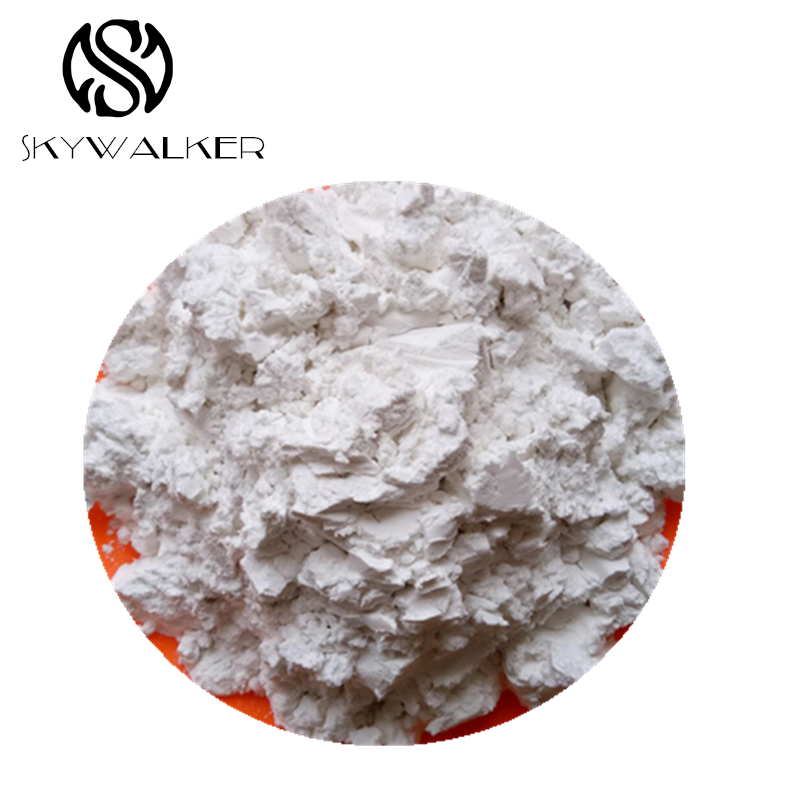
Openingmicro-fossil sediment demonstrates exceptional refining element broadly employed in various industrial uses, particularly in the food and drink sector. Extracted from the fossilized remains of tiny aquatic organisms, it reveals a unique porous structure that enables effective particle removal. diatomaceous earth Such substance performs by creating a fine filtration sheet on a separation assembly, enclosing minuscule sediments while providing fluid permeability. Deciding upon the proper grade of filtering agent is essential for maximum efficiency.
Utilizing Diatomaceous Residue for Clarification
Permeable substance, composed of the fossilized remains of microscopic algae called diatoms, presents a uncommon method for screening various substances. Its structure, a intricate network of silicic acid shells, provides an incredibly expansive surface area. This facilitates for highly effective removal of particles from fluid composites. Deployments range from aqua cleansing and wine development to water containment clarifying and even agricultural means. Assets include its renewable origin, cost-effectiveness compared to diverse synthetic alternatives, and its capability to completely seize a diverse set of undesirables.
- Delivers superior particle removal.
- Acts as a environmentally sound choice.
- Relevant for several sectors.
Treated Bleaching Substance: Elements and Roles
Activated bleaching compound is a form of clean mudstone that has undergone exclusive preparation to enhance its capturing potential. This system typically involves thermal reformation, resulting in a expanded architecture with a extensive coverage. Consequently, it exhibits superior competence to eliminate stains from a wide array of phases, finding noteworthy jobs in the purification of animal fats, oils, and other biogenic substances. Besides, its harmless quality and monetary advantage contribute to its increasing demand in various professions.
Deciding the Superior Filter Aid: Diatomite or Others?
Determining the best separation element for a specific process can be tricky. While bentonite and other replacements exist, diatomite often presents a strong case for its excellence. Compared with these rivals, diatomite usually offers superior limpidity and a boosted rate of removing sediments. However, such prime choice ultimately varies on factors such as expense, function requirements, and required output class.
How Diatomite Filtration Works
Fossilized diatoms alternatively called siliceous powder filtration cleaning leverages the unique singular structure of highlighted microscopic diminutive algae entities. These or the diatoms, upon or after death, form or create a sedimentary or mineral rock or material composed or built of intricately or highly porous or structured silica or glass shells. This or the porous meshed network fabric provides an incredibly astoundingly large coverage for capturing particulate microscopical matter foreign bodies from amid liquids media, achieving enabling highly thorough precise filtration or separation.
Advancing Purification Processes of Modified Earth
Boosting this bleaching treatment applying modified earth presents a interesting alternative for advancing output. The stated sustainable material, originating in ground, possesses outstanding capturing properties that grant it the ability to adeptly clear discolored elements from textile fibers, thereby lessening dependence on harsh non-organic reagents and promoting a greener effect.
Knowing Diatomite Filtration Powder Categories
Selecting the appropriate filter media quality is important for optimal filtration processes. Fossil filter aid grades are classified by their granular measurement, frequently expressed in mesh sizes. Less coarse grades, like FF or Filter-X, offer outstanding clarity and are appropriate for delicate liquids, while bulkier grades, such as Perlite or Celite 500, provide a increased flow rate for lower engagements. Understanding these disparities will facilitate you to maximize your refining outcomes and lower burdens linked with the strategy.
Responsible Sourcing of Microfossil Earth
The surging demand for siliceous sediment earth necessitates a commitment on responsible sourcing procedures. Traditional collection often includes significant natural disturbance and can jeopardize nearby ecosystems. Presently, forward-thinking corporations are exploring alternatives, such as rehabilitation of vacated sites, ensuring restricted disruption and conserving species variety habitats. Furthermore, visibility in the system is turning into crucial, allowing clients to decide informed conclusions and promote environmentally friendly processes. Thus, responsible control of diatomite earth supplies is vital for enduring availability and restricted environmental damage.
- Alleviated land footprint.
- Rehabilitation of harvesting sites.
- Augmented monitoring in the flow.
Enhanced Clearing Stratum: A Chemical View
Considering a technical angle, treated lightening soil represents a distinctive class of mineral minerals. In the beginning, illite sediment is biochemically modified via conditioning – typically involving oxidative procedure – to dramatically elevate its capturing traits. That modification creates a considerable area with a significant number of anionic sites, facilitating the adsorption of chromatic factors from emulsions. The operation chiefly involves physical bonds and Van der Waals contacts, bringing about a purer result.