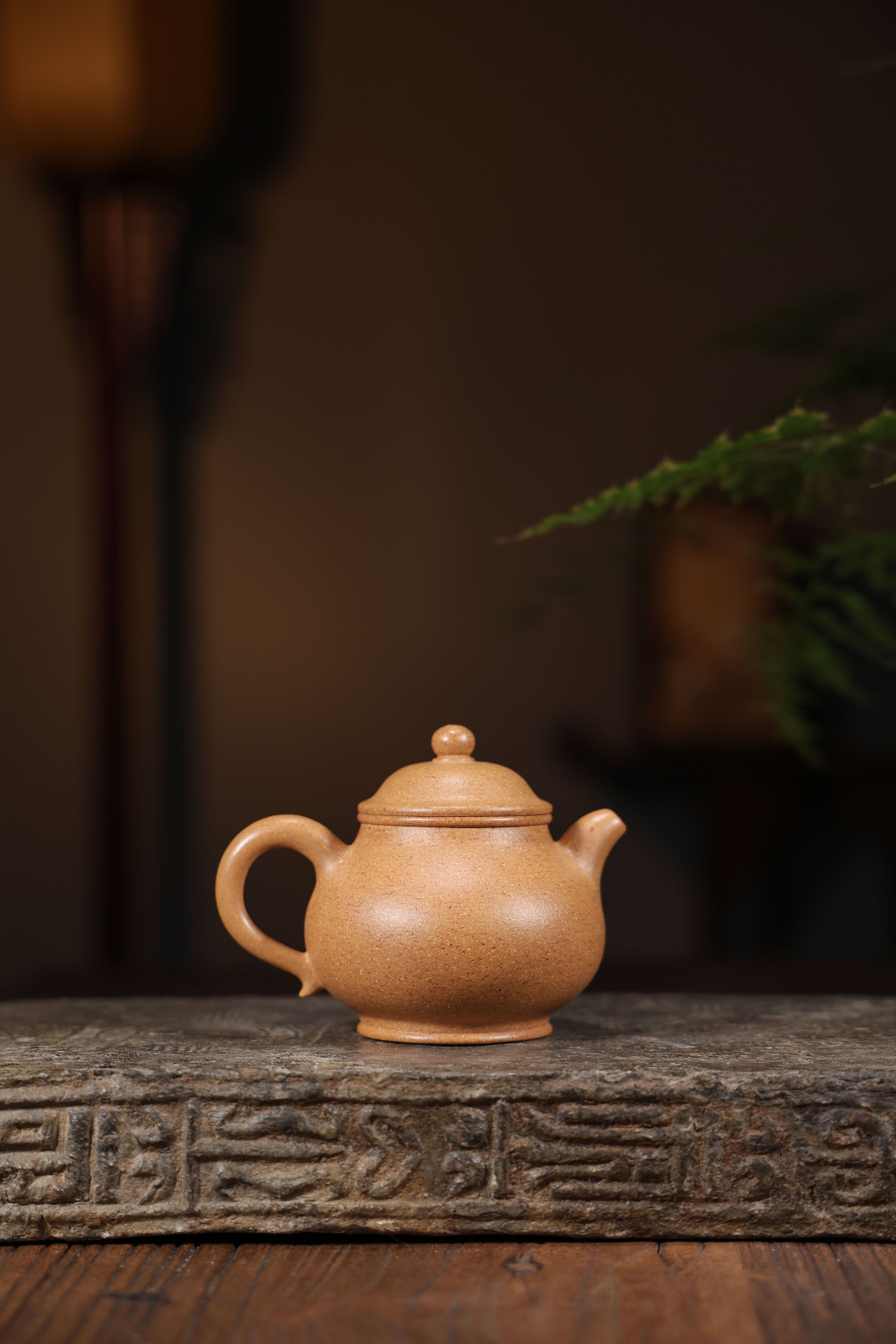
Embarking this extensive review of Ihsing Tz'u Sha ceramic kettles introduces special enchanting union of artistry plus utility.
宜兴 紫砂 clay pots enjoy a unique charm for collectors globally. These outstanding clay vessels, native from the original Issing territory within Jiangsu district, China, feature more than just brewing tools; they are acknowledged as works decorative beauty and ancestral significance. That finely processed clay, known by Zisha, imparts a understated flavor over the tea, and the ornate designs, often showcasing traditional Chinese motifs, raise their built-in value. Obtaining a genuine Yixing Zisha teapot is a enjoyable journey, entailing careful analysis and an grasp of the countless factors influencing its scarcity.
Uncovering Yixing Pottery
Ihsing teapots boast a vibrant heritage deeply interwoven with Chinese culture. Originating in Yixing, Jiangsu locality, these vessels are crafted from a unique, porous purple mud found only in that distinct location. Their creation began during the Ming age, with master ceramicists refining the techniques over epochs. Several types persist, including the classic Hexiang (resembling crab shells), Zhuni (red-brown hue), and Duan Ni (stone-studded) – each with distinctive traits. The value of an Yixing brewing pot isn't solely based on its size or ornamentation, but also on the craftsperson’s reputation, the Chinese Teapot soil's quality, and the teapot's age and condition. Aficionados often seek out older examples, believing they absorb the essence of the tea brewed within them over time, further adding to their eminence.- Hexiang Earthen Pots
- Zhuni Earthen Pots
- Stone-Studded Earthen Pots
Zisha Teapot Mastery: Craftsmanship & Approaches
The fabrication of Zisha teapots represents a zenith of Chinese ceramic expertise. Professional artisans employ age-old techniques, often passed down through descendants, to unlock the full charm of this unique clay. Approaches involve meticulous fashioning by hand, often combined with the twisting method, followed by precise glazing at incredibly potent temperatures in wood-fired kilns. Decorating is equally crucial; makers utilize original clay colors and may incorporate embossing work to depict intricate scenes or patterns, demonstrating a profound grasp of the material’s attributes and manifestation. The final teapot isn't merely a vessel for tea, but a testament to a extensive cultural background.
Chinese Ceramics: Unique Presentation to 宜兴 Tz'u Sha
Examining the world of Classical teapots frequently initiates with Yixing Zisha. These singular clay brewing tools are crafted from a particular type of clay discovered only in the Yixing region of the Jiangsu district province. Distinguished for its distinctive reddish-purple hue and outstanding characteristics, Zisha clay offers a soft flavor to the drink and refines with age, becoming a cherished treasure. Possessing Yixing Zisha containers is more than just holding a exquisite object; it’s a dedication of practice and talent.
Surveying exclusive Zisha: Authenticity & Value
Venturing into the realm of Yixing Zisha artifacts can be incredibly fulfilling, but necessitates a thorough knowledge. Veracity is essential; numerous replicas are present, often deceptively forged. Educating yourself about ancient tempering approaches, special terracotta traits, and the hallmarks of renowned artisans is wholly imperative. What’s more, knowing the intricacies of the market trend – influenced by determinants such as classical consequence and the appearance of the item – is paramount to advantageous procurement.
- Investigating tempering lineage.
- Hiring authorities for substantiation.
- Judging sales dynamics.
That Discipline of Preparing with a Ceramic Brewer
This original allure of a Zisha kit lies not just in its exquisite appearance, but also in its illustrious impact on the aroma of the beverage. These vintage clay earthenware, sourced from singular regions of China, possess a organic porosity that subtly interacts with the drink and leaves, imbuing the brew with a elegant character. Mastering the practice requires a patient approach, understanding how the earth responds to varying heating regimes and herbal types, ultimately leading to a unquestionably rewarding drinking ceremony.
Conserving Your Artifact
Proper care of your Yixing container is essential to protecting its longevity. These remarkable teapots, crafted from exclusive Yixing clay, form a gradation over decades that elevates their importance. Sometimes rinse the body with filtered water, avoiding detergents, and never use rough scrubbing tools. Occasional gentle rubbing with a silky cloth can assist in taking off patches. Allow your vessel to totally dry before each serving
Unveiling Zisha: Reasons The Teapots Represent Rare
The renowned appeal of Yixing teapots lies within the characteristic properties of Stoneware clay, located solely near Yixing, the Yixing district. This favorable clay, a type of ferruginous clay , displays a remarkable combination of minerals that, through use, assimilate the bouquet of the liquids it holds. This creates a unique scent for each ceramic pot, ensuring it a worth far more than its primary price and aiding to their admired status among experts.
Hunting for the Perfect Sinocentric Brewing Pot: A Terracotta Handbook
Venturing into the world of Yixing clay teapots can feel intimidating, but understanding the cores is necessary to obtaining a coveted piece. This model of clay, sourced essentially from the Yixing region, Jiangsu Province, is known for its special feel and ability to develop the aroma of the infusion over years. Think about the form, the color, and the overall aesthetic; a genuine Zisha teapot is more than just a canister; it's a finely crafted object and a example of cultural culture. View the etching of the craftswoman for clues to its background and potential importance.