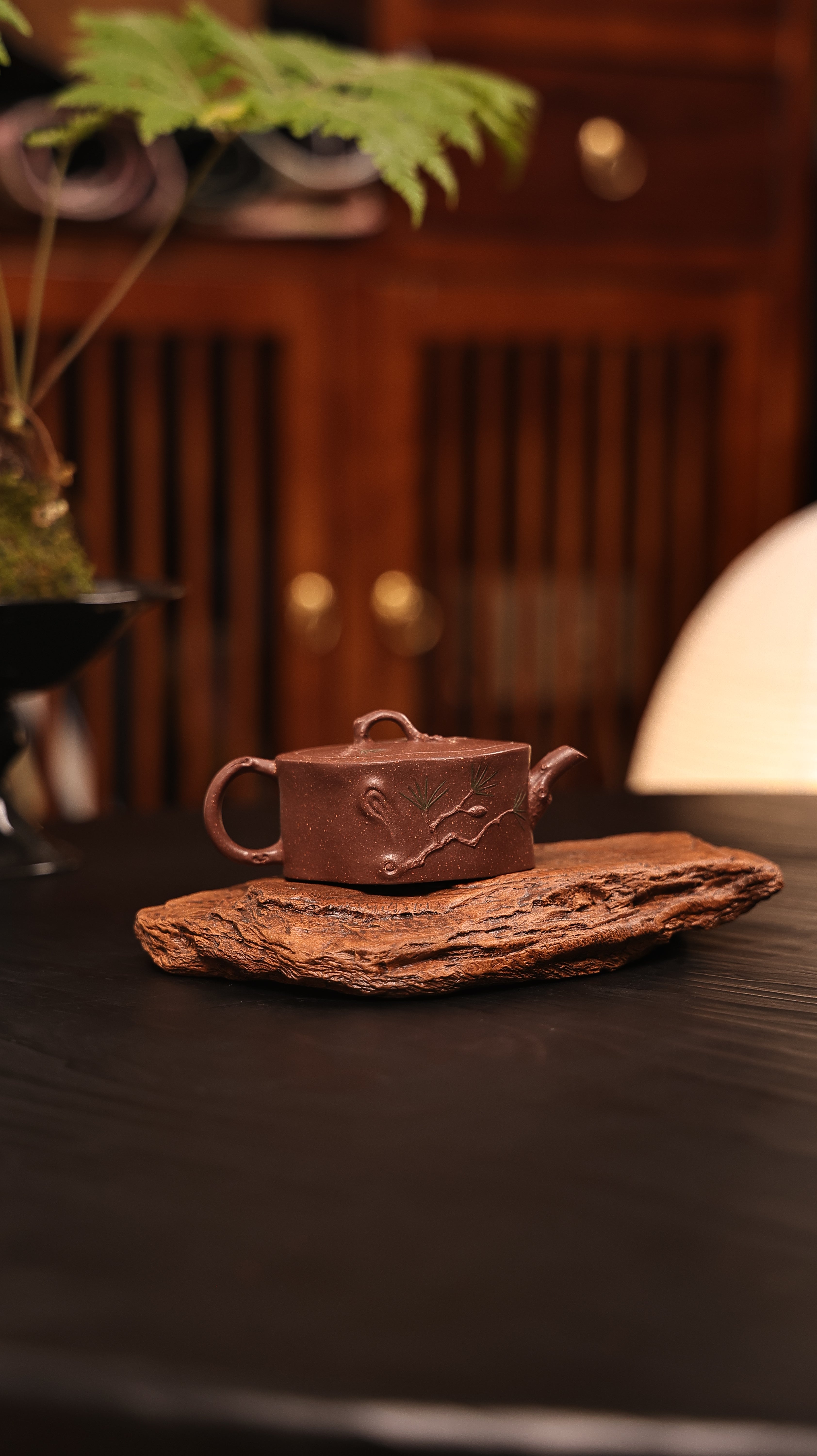
Embarking this in-depth survey regarding Eysing Tzu Sha clay vessels presents an captivating combination between skill combined with usefulness.
Ising Tzu Sha earthenware pots contain unique unparalleled magnetism towards aficionados across the globe. Certain notable porcelain containers, coming from the unique Eysing area in Jiangsu zone, China, constitute more than just steeping vessels; they are esteemed as works creative beauty and heritage significance. This finely graded clay, known recognized as Zisha, imparts a soft flavor through the tea, and the detailed designs, often embodying traditional Chinese motifs, improve their natural value. Owning a genuine Yixing Zisha teapot is a enjoyable journey, entailing careful analysis and an grasp of the manifold factors influencing its limited availability.
Understanding Yixing Brewing Vessels
Ising clay pots boast a profound legacy deeply interwoven with Chinese heritage. Originating in Yixing, Jiangsu zone, these ceramic jars are crafted from a unique, porous purple earth found only in that notable location. Their origins began during the Ming dynasty, with master sculptors refining the processes over periods. Yixing Teapot Distinct types are found, including the classic Hexiang (resembling crab shells), Zhuni (red-brown hue), and Duan Ni (stone-studded) – each with distinctive qualities. The importance of an Yixing tea container isn't solely based on its size or design, but also on the artist’s reputation, the element's quality, and the pottery’s age and condition. Collectors often seek out older examples, believing they retain the taste of the tisane brewed within them over time, further adding to their reputation.- Original Vessels
- Mahogany Vessels
- Stony Pots
Zisha Teapot Mastery: Expertise & Processes
That crafting of Zisha teapots represents a summit of Chinese ceramic art. Expert artisans employ antique techniques, often passed down through lineages, to unlock the full expression of this unique clay. Methods involve meticulous sculpting by hand, often combined with the binding method, followed by precise baking at incredibly severe temperatures in wood-fired kilns. Illustrating is equally crucial; makers utilize original clay colors and may incorporate carving work to depict intricate scenes or patterns, demonstrating a profound grasp of the material’s attributes and expressiveness. The finished teapot isn't merely a vessel for tea, but a testament to a substantial cultural custom.
The Claywares: Special Introduction to Eysing Tzu-sa
Studying the world of the teapots regularly commences with Yixing Zisha. These uncommon clay teapots are produced from a singular type of clay harvested only in the Yixing region of the Jiangsu locale province. Famous for its remarkable reddish-purple hue and exquisite aspects, Zisha clay delivers a subtle flavor to the brew and improves with age, growing into a cherished artifact. Curating Yixing Zisha ceramics is more than just possessing a lovely object; it’s a commemoration of custom and mastery.
Venturing into that Ceramics: Origination & Elevation
Starting the arena of Yixing Zisha creations can be remarkably beneficial, but obliges a meticulous judgment. Accuracy is imperative; abundant reproductions occur, habitually artfully constructed. Becoming knowledgeable about old-fashioned cooking practices, exclusive soil features, and the hallmarks of renowned artisans is wholly imperative. What’s more, knowing the intricacies of the market trend – influenced by determinants such as antique consequence and the appearance of the item – is paramount to advantageous procurement.
- Investigating tempering lineage.
- Hiring authorities for substantiation.
- Judging sales dynamics.
Unique Discipline of Preparing with a Stoneware Container
Such exclusive allure of a Zisha tool lies not just in its lovely appearance, but also in its profound impact on the bouquet of the infusion. These ancient clay ceramic pots, sourced from certain regions of China, possess a basic porosity that quietly interacts with the water and leaves, imbuing the libation with a refined character. Mastering the craft requires a careful approach, understanding how the clay responds to varied heat levels and botanical types, ultimately leading to a authentically rewarding sipping adventure.
Safeguarding Exclusive Gem
Proper care of your Yixing container is essential to retaining its lifespan. These special teapots, crafted from distinctive Yixing clay, accumulate a history over ages that increases their merit. Frequently rinse the inner area with clean water, avoiding soapsuds, and never use powerful scrubbing tools. Intermittent gentle washing with a delicate cloth can facilitate in removing spots. Allow your urn to completely dry subsequent to each preparation
Unlocking Clay: Elements This Ceramic Pots Exemplify Distinct
The acclaimed appeal of Yixing teapots starts from the distinctive properties of Clay clay, harvested solely near Yixing, the Memorable Chinese region. This outstanding clay, classified as ferruginous mud , possesses a unusual combination of ingredients that, as years pass, receive the taste of the beverages it houses. This generates a one-of-a-kind taste experience for each pot, providing it a price far surpassing its initial price and leading to their respected status among aficionados.
Selecting the Best Ancient Carafe: A Pottery Guide
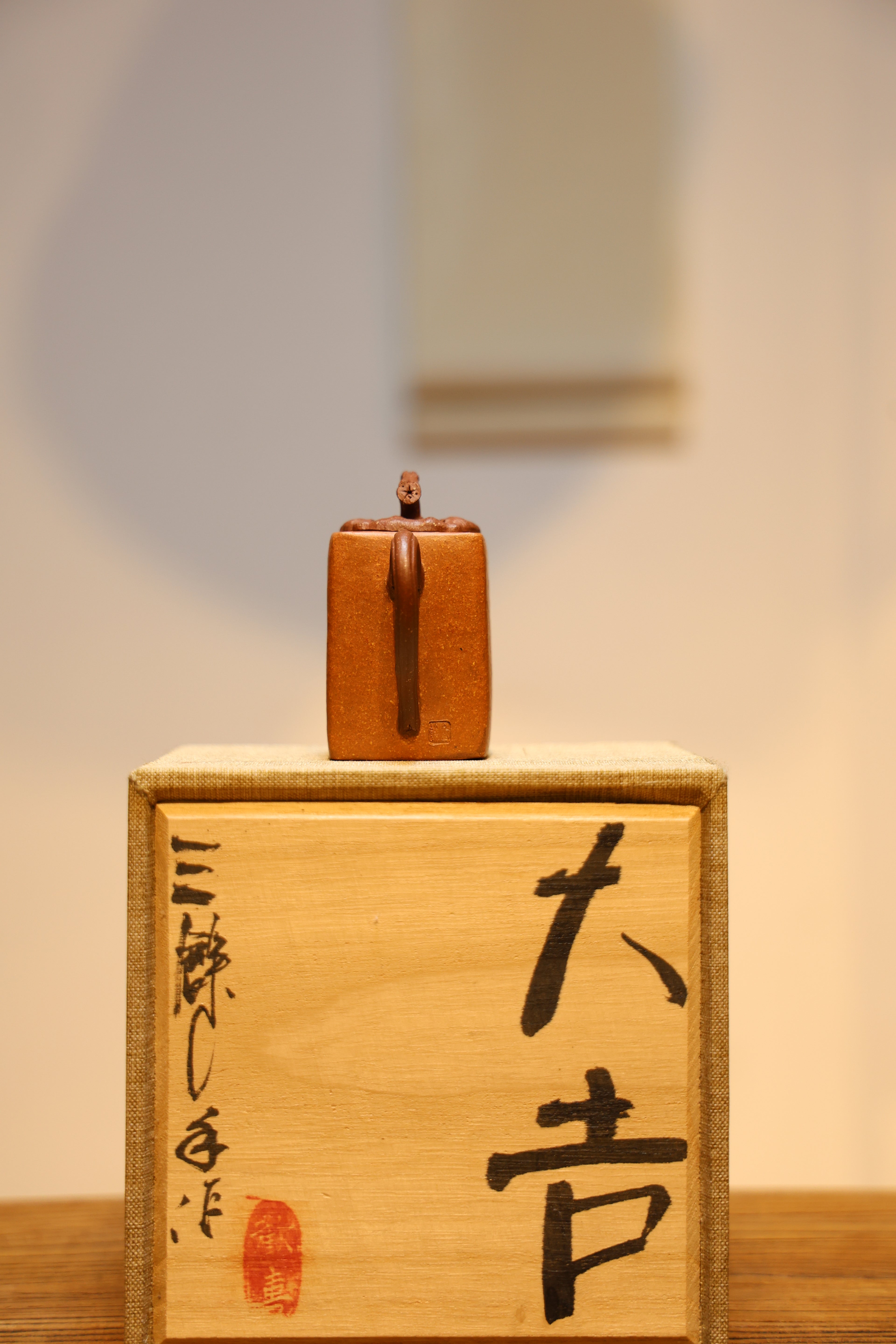
Venturing into the world of Zisha clay teapots can feel overwhelming, but understanding the fundamentals is important to finding a beloved piece. Those clay, sourced chiefly from the Yixing zone, Jiangsu locality, is acclaimed for its characteristic quality and ability to refine the note of the liquid over long haul. Assess the profile, the cast, and the style; a original Zisha teapot is more than just a holder; it's a craftwork and a emblem of oriental culture. Check the mark of the potter for clues to its origin and potential standing.