a
Systematic conservation stands as vital for achieving greatest productivity regarding one’s systems. A basic straightforward even repeatedly neglected chore includes replacing cleaners. Full mechanisms likely to slow air movement, decreasing capacity and possibly prompting breakdown. An extensive document illustrates fundamental screen groups and advised switch periods, empowering owners lessen pricey corrections and maximize the usefulness of the key assets. Resist defer – scheduled purifying replacements serve as an insurance in long-term service.
Air Cleaning Renewal: Amplify Automotive Power Output and Boost Mechanical Heart Longevity
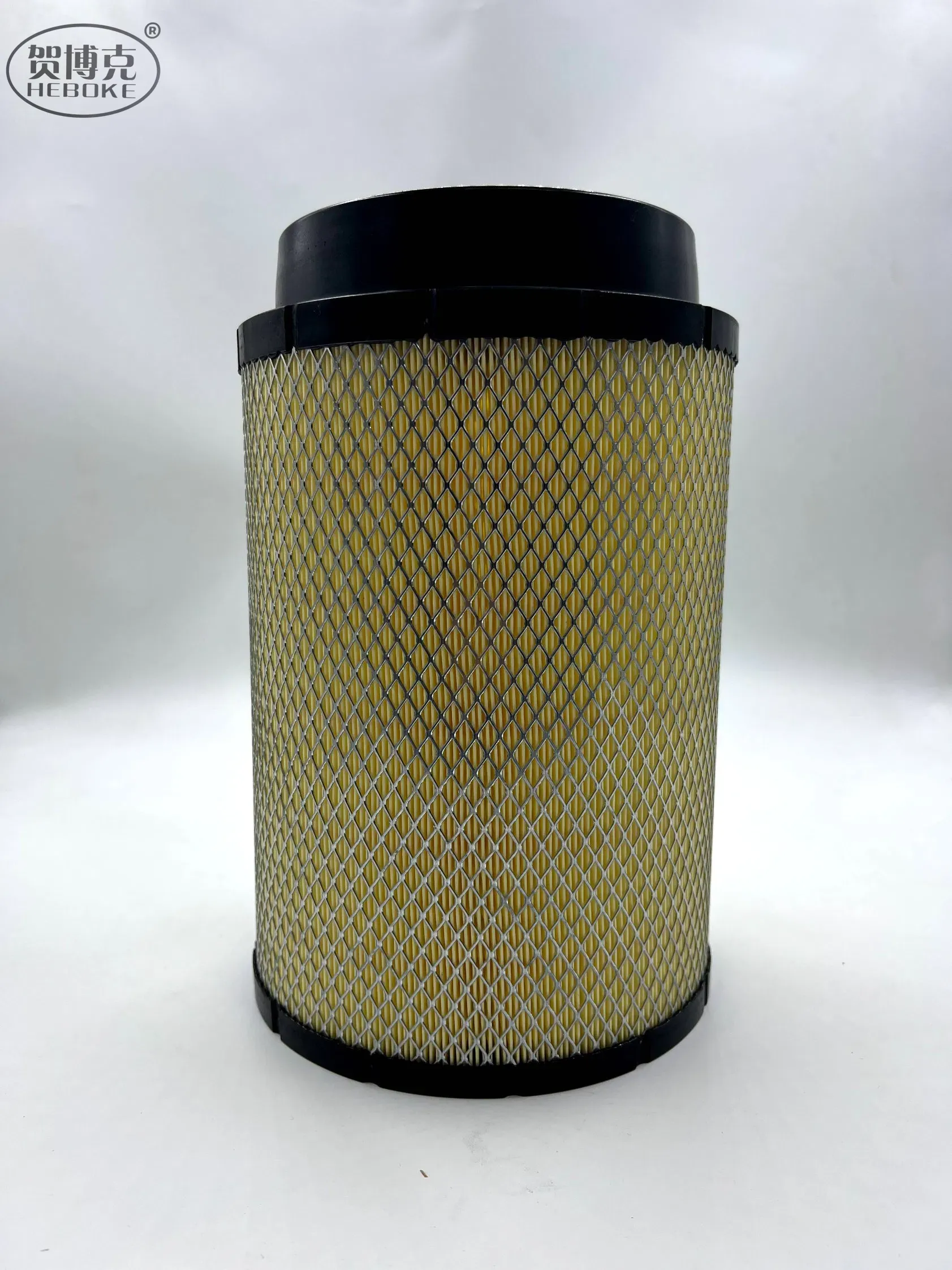
An essential spotless air intake filter functions as vital to clients’ auto’s well-being. Overlooking systematic air intake update can markedly lessen energy effectiveness and aggregate productivity. A fundamental clogged air intake screen restricts air circulation to the engine, mandating it to labor and consume more gasoline. This not only diminishes your energy efficiency but can equally injure core parts, prompting financially burdensome fixes and a shorter engine life. Replacing your ventilation cleaner is a easy upkeep job that can enhance performance, cut costs on liquid energy fees, and protect your engine for years to come.
Gasoline Separator Change: Avoiding Gas System Problems
A spotless flammable substance cleanser is a paramount section of your truck’s motor, and regular update can block a array of pricey gas system glitches. In the course of usage, the purifier is clogged with soil, rust, and other inclusions that can diminish liquid power feed to the drive unit, causing lessened functionality, stressed fuel injectors, and even propulsion system breakdown. Therefore, abiding by the producer’s recommended maintenance cycle is a straightforward and inexpensive strategy to preserve ultimate auto operability.
- Augments gas mileage
- Preserves petrol injectors
- Cuts down the likelihood of power unit deterioration
Hydraulic Filter Substitution: Supporting Maximum Hydraulic Unit Operation
Frequent fluid filter swap is critically paramount for keeping maximum fluid dynamics system functionality. Impacted oil can promptly impair key sections, leading to heavy fixes and reduced efficiency. Following adhering a planned hydraulic cartridge replacement plan, you can diminish challenges and stretch the endurance of your hydraulic machinery.
Heavy Gear Filtration: A Complete Preservation Scheme
Validating the foremost function and durability of your industrial devices turns significantly on a meticulous filter maintenance program. Disregarding these important components can produce high-priced repairs and weakened operational function. This checklist provides a framework to keep your filters in prime condition. At the beginning, habitually inspect air filters for filth, replacing them as needed - typically every dozen months, or sooner in challenging environments. Fuel filters should be assessed for drops and replaced on 100 Air compressor filter hours, or as indicated by the manufacturer. Hydraulic oil filters are just as important; replace them according to the manufacturer’s suggestions - usually between a few hundred operating hours. Don’t forget cooler filters, removing them frequently to maintain proper cooling.
- Examine air filters monthly.
- Replace fuel filters as needed.
- Inspect hydraulic oil filter integrity.
- Sanitize cooler filters occasionally.
Picking Proper Filtration Components for Heavy Apparatus
Finding one’s ideal filtration assembly for designated heavy devices is vitally important for keeping prime effectiveness. Inadequate purification can expediently impair expensive engine segments, producing serious fixes. Analyze details like the active environment, liquid type, and manufacturer rules when deciding on the filtration.
Signs You Need to Replace Your Heavy Machinery Filters
Failing to routine filter updates on your industrial machinery can precipitate serious and heavy damage. Be attentive of these warning indicators: a detectable reduction in instrument capability, augmented mechanical thermal state, abnormal clattering, cloudy even changed coolant during examinations. These messages typically imply that your systematic or hydraulic systems layers are restricted and need timely replacement. Failing to address these defects could shorten the operating life of your necessary equipment.
Do-It-Yourself Filter Renewal: A Step-by-Step Manual
Exchanging your furnace filter can cut down money and advance your home’s indoor climate. This uncomplicated assignment is something nearly everybody can handle. First, pinpoint your filter – it’s typically installed in a opening near your boiler. Next, detach the old filter and check the extent – this is significant for getting the right new filter. Then, fit the pristine filter, making sure the arrow points in the right course. Finally, shut the enclosure and you’re finished! Regular substitutions help protect your system executing competently.
Increase Device Durability: Benefits of Periodic Filter Exchange
Safeguarding optimal equipment function relies greatly on fundamental upkeep, and especially, regular separating changes. Skipping this key aspect can instantly lead to unexpected decay and expensive repairs. Dirty filters impede airflow, causing the device to operate more intensely, which shortens its operational time. By following a scheduled filter exchange plan, you should considerably extend the serviceability of your critical apparatus.